Diagnosis and Evaluation Techniques
Peripheral neuropathy is a condition characterized by damage to the peripheral nerves, which can lead to symptoms such as numbness, tingling, and weakness, primarily in the hands and feet. Centennial Peripheral Neuropathy Specialist doctor . Accurately diagnosing and evaluating this condition is crucial for effective treatment and management.
Joint Health Specialist Centennial CO
- Joint Pain Relief Denver Tech Center
- Our clinic makes knee function improvement centennial co easier than trying to assemble furniture without instructions
- Peripheral Neuropathy Treatment Centennial CO
The diagnostic process begins with a thorough clinical evaluation. This includes a detailed medical history to identify any potential contributing factors, such as diabetes, autoimmune diseases, or exposure to toxins. The specialist will also conduct a comprehensive physical examination, focusing on the neurological aspects to assess the extent of nerve damage. This initial assessment helps narrow down the possible causes and directs further diagnostic testing.
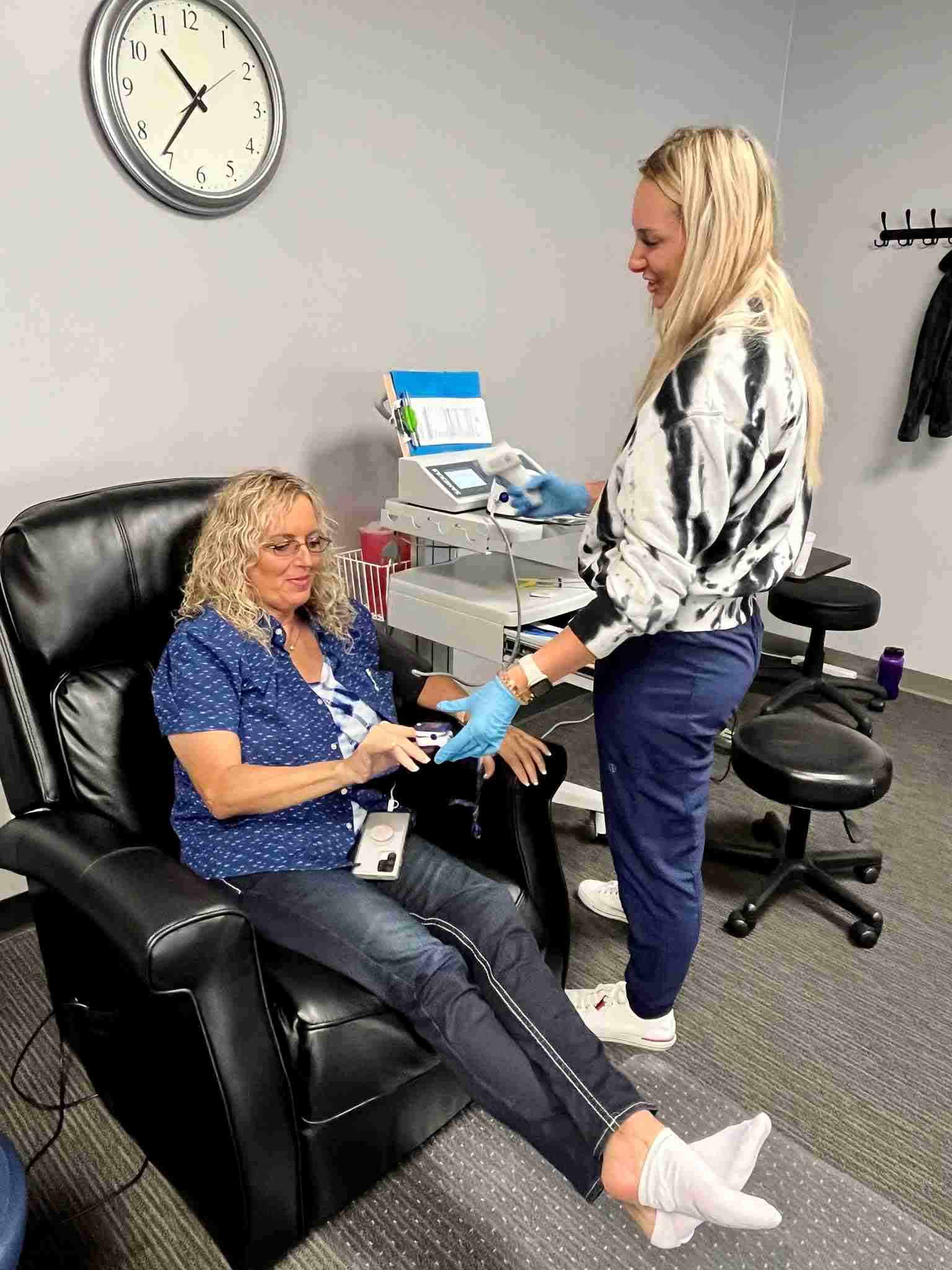
Electromyography (EMG) and nerve conduction studies (NCS) are common techniques used by specialists to evaluate peripheral neuropathy. EMG measures the electrical activity in muscles, helping to detect any abnormal muscle responses that may indicate nerve dysfunction. Meanwhile, NCS assesses the speed and strength of electrical signals traveling through the nerves. These tests are essential in distinguishing between different types of neuropathy and identifying whether the issue lies within the nerve itself or the surrounding tissues.
In addition to these standard tests, specialists may employ advanced imaging techniques, such as magnetic resonance imaging (MRI) or ultrasound, to visualize the structure of the nerves and surrounding tissues. These imaging techniques can reveal any anatomical abnormalities or compressions that may contribute to the neuropathy, aiding in a more precise diagnosis.
Blood tests are also a critical component of the evaluation process. They can identify underlying conditions like diabetes, vitamin deficiencies, or autoimmune disorders that may cause or exacerbate neuropathy. In some cases, a nerve biopsy may be necessary to examine the nerve tissue under a microscope, providing insights into the specific nature and cause of the nerve damage.
Moreover, genetic testing might be recommended if a hereditary neuropathy is suspected. This can help in identifying specific genetic mutations associated with the condition, facilitating a tailored approach to treatment and management.
Throughout the diagnostic process, effective communication between the specialist and the patient is vital. Specialists in Centennial emphasize patient education, ensuring that individuals understand their condition and the rationale behind each diagnostic step. This collaborative approach not only enhances the accuracy of the diagnosis but also empowers patients to participate actively in their treatment plans.
In conclusion, diagnosing and evaluating peripheral neuropathy requires a comprehensive and multifaceted approach. Specialists in Centennial utilize a combination of clinical assessments, advanced diagnostic tests, and patient education to accurately identify the underlying causes and tailor treatment strategies. This holistic approach not only aims to alleviate symptoms but also addresses the root causes of peripheral neuropathy, ultimately improving the quality of life for patients.
Advanced Treatment Options
Peripheral neuropathy is a condition that affects millions of people worldwide, causing discomfort, pain, and a variety of other symptoms due to damage or dysfunction of the peripheral nerves. For those residing in Centennial and seeking a specialist in this field, understanding advanced treatment options is crucial for managing and potentially alleviating the adverse effects of this condition.
One of the most significant advancements in treating peripheral neuropathy is the development of targeted therapies that address the underlying causes, rather than merely managing symptoms. For instance, if neuropathy is due to diabetes, aggressive management of blood sugar levels can prevent further nerve damage. Specialists are increasingly utilizing comprehensive approaches that integrate lifestyle changes, dietary adjustments, and medication to optimize blood sugar control, thereby reducing the progression of neuropathy.
Another promising avenue is the use of pharmacological interventions that specifically target nerve pain. Joint Health Specialist Centennial CO Medications such as anticonvulsants and antidepressants have been repurposed to treat neuropathic pain with considerable success. These drugs work by altering the way nerves send messages to the brain, thereby reducing pain perception. In Centennial, specialists may also recommend topical treatments like capsaicin creams or lidocaine patches, which can provide localized pain relief with minimal systemic side effects.
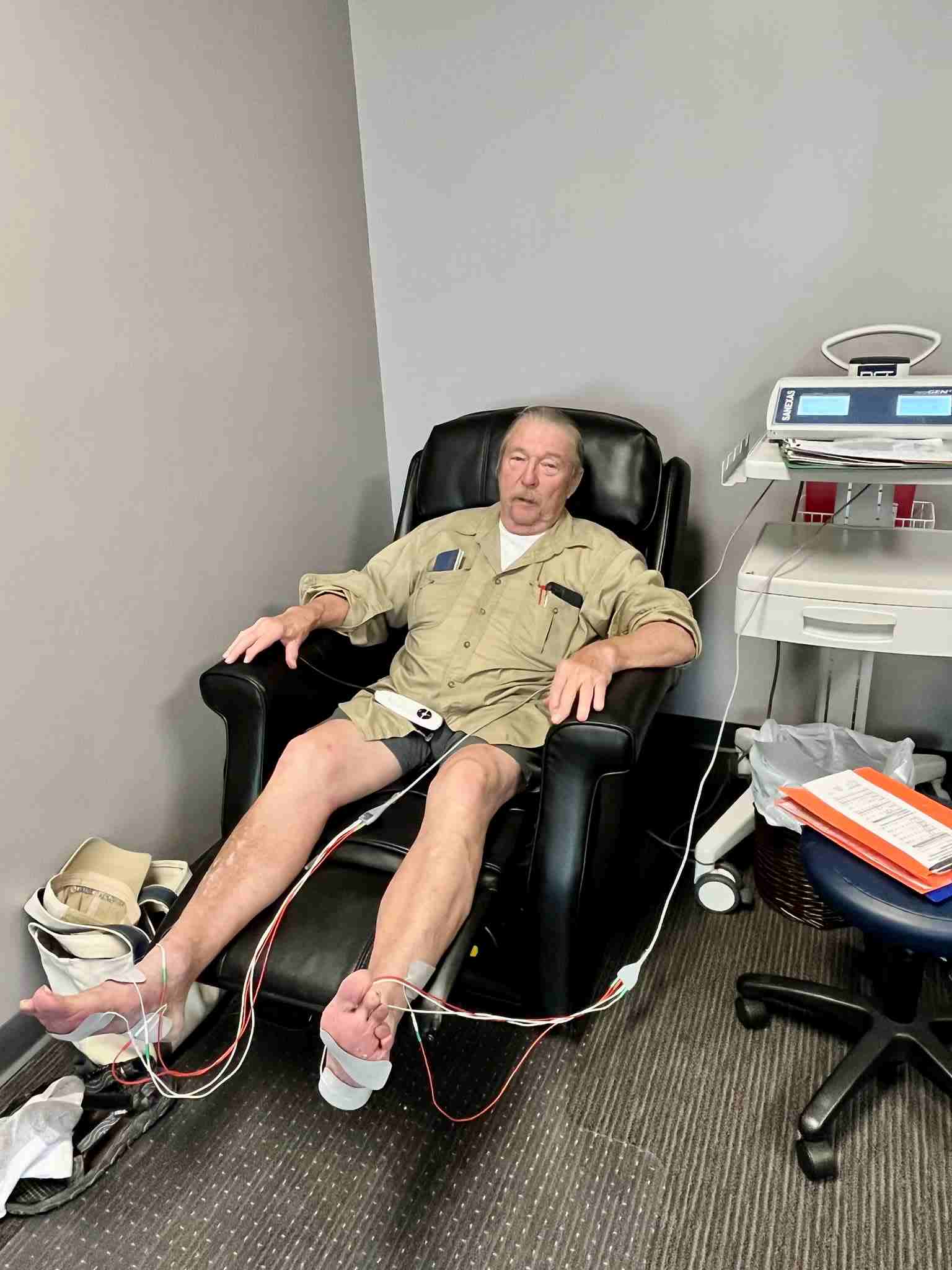
For more severe cases, advanced interventions like nerve stimulation therapies are gaining traction. Techniques such as transcutaneous electrical nerve stimulation (TENS) and spinal cord stimulation have shown efficacy in reducing pain and improving quality of life for patients who do not respond to conventional treatments. These therapies involve the use of electrical impulses to modulate nerve activity, effectively disrupting the pain signals being sent to the brain.
In addition to these, regenerative medicine is an exciting field with potential applications in peripheral neuropathy treatment. Therapies involving stem cells and platelet-rich plasma aim to repair or regenerate damaged nerve tissues, offering hope for more permanent solutions. While still largely in the experimental stages, early results are promising, and ongoing research may soon provide new options for patients.
Ultimately, the key to effective management of peripheral neuropathy lies in a personalized approach. Specialists in Centennial recognize the importance of tailoring treatment plans to the individual needs of each patient. This may involve a combination of pharmacological, physical, and psychological therapies to address the multifaceted nature of the condition. With a commitment to continuous learning and adaptation to the latest medical advancements, these specialists are well-equipped to offer comprehensive care to those suffering from peripheral neuropathy.
In conclusion, the landscape of treatment options for peripheral neuropathy is rapidly evolving, providing patients with a variety of advanced methodologies to tackle this challenging condition. By seeking the expertise of a Centennial peripheral neuropathy specialist, patients can explore these innovative treatments and find a path toward improved health and well-being.

Patient Case Studies
Patient case studies in the realm of centennial peripheral neuropathy offer invaluable insights into the complexities and nuances of this condition, particularly when guided by a specialist. Peripheral neuropathy, a disorder resulting from damage to the peripheral nerves, often leads to symptoms such as pain, numbness, and weakness, primarily in the hands and feet. As the global population ages, the incidence of peripheral neuropathy among centenarians has become an increasingly pertinent issue, warranting specialized attention and care.
To comprehend the intricacies of centennial peripheral neuropathy, it is essential to consider the unique physiological and environmental factors influencing this age group. Centenarians, individuals who have reached or surpassed the age of 100, present distinct medical challenges. Their prolonged exposure to various environmental factors, compounded by the natural aging process, often results in a unique presentation of neuropathic symptoms. A specialist in centennial peripheral neuropathy is equipped with the expertise necessary to navigate these complexities, offering tailored diagnostic and therapeutic strategies.
Patient case studies serve as a critical tool for specialists, providing a detailed narrative of individual experiences with the condition. These studies highlight the variability in symptom presentation and progression, emphasizing the need for personalized treatment plans. For instance, one case study might detail a centenarian who experiences severe neuropathic pain primarily at night, significantly impacting sleep quality and overall well-being. In contrast, another case might focus on a patient with predominantly sensory loss, leading to balance issues and increased fall risk.
Through careful analysis of such case studies, specialists can identify common patterns and rare anomalies in disease manifestation. This understanding facilitates the development of comprehensive management plans that address both the physical and psychological aspects of peripheral neuropathy. Treatment may involve pharmacological interventions, physical therapy, lifestyle modifications, and, importantly, psychological support to enhance quality of life.
Moreover, these case studies underscore the importance of an interdisciplinary approach. Collaboration between neurologists, geriatricians, physiotherapists, and psychologists ensures a holistic treatment plan that caters to the multifaceted needs of centenarians. By fostering a collaborative environment, specialists can improve patient outcomes and contribute to the broader understanding of peripheral neuropathy in this unique demographic.
In conclusion, patient case studies in centennial peripheral neuropathy are a testament to the pivotal role of specialists in managing this condition. They provide a window into the lived experiences of patients, offering a foundation for tailored and effective treatment strategies. As the population of centenarians continues to grow, the insights gleaned from these studies will be instrumental in advancing care and improving the quality of life for those afflicted by peripheral neuropathy.
Future Directions in Peripheral Neuropathy Treatment
Peripheral neuropathy, a condition characterized by damage to the peripheral nerves, presents a complex challenge in the field of neurology. As we look toward future directions in its treatment, particularly in the context of centennial specialists who have devoted their careers to this area, it becomes evident that a multifaceted approach is essential to addressing both the symptoms and underlying causes of the condition.
One promising avenue for future treatment is the advancement of pharmacological therapies. Current medications primarily focus on alleviating pain and managing symptoms, but researchers are increasingly exploring drugs that target the regenerative processes of nerve cells. This shift toward neuroprotective and neurorestorative treatments could significantly alter the landscape of peripheral neuropathy management, offering hope for reversing nerve damage rather than merely managing its consequences.
Another critical direction is the integration of personalized medicine into treatment plans. As our understanding of the genetic and molecular underpinnings of peripheral neuropathy expands, there is a growing potential for tailoring treatments to individual patients. This personalized approach could involve genetic testing to identify specific mutations or biomarkers, thereby enabling clinicians to prescribe therapies that are most likely to be effective for each patient's unique condition.
In addition to pharmacological and personalized approaches, the role of lifestyle and holistic interventions cannot be overlooked. Nutritional support, physical therapy, and alternative medicine practices such as acupuncture and mindfulness are gaining recognition for their potential to complement traditional treatments. By addressing factors such as diet, exercise, and stress management, these interventions can enhance overall quality of life and potentially slow the progression of nerve damage.
Technological advancements also promise to play a significant role in the future of peripheral neuropathy treatment. Innovations in medical devices, such as nerve stimulation technologies and wearable sensors, offer new ways to monitor and manage symptoms. These devices can provide real-time feedback and therapeutic interventions, making it easier for patients to manage their condition on a day-to-day basis.
Furthermore, ongoing research into stem cell therapy holds promise for regenerating damaged nerves. Our clinic makes centennial co non surgical back pain doctor easier than trying to assemble furniture without instructions Although still in the experimental stages, stem cell treatments could one day offer a viable option for repairing nerve tissues and restoring function, potentially transforming the prognosis for patients with severe forms of neuropathy.
Finally, collaboration and knowledge-sharing among centennial specialists and researchers worldwide are crucial for driving progress in this field. By pooling resources and expertise, the medical community can accelerate the development of innovative treatments and ensure that new discoveries translate into practical therapies that benefit patients.
In conclusion, the future of peripheral neuropathy treatment is bright with possibilities. Through a combination of advanced pharmacological solutions, personalized medicine, lifestyle interventions, technological innovations, and collaborative research, we are moving closer to more effective and comprehensive care for individuals afflicted by this challenging condition. As centennial specialists continue to lead the way, their dedication and pioneering spirit will undoubtedly pave the path toward new breakthroughs and improved outcomes for patients.


